The Forgotten War Declaration: How a Kentucky Town Accidentally Stayed at War with Canada for Seven Decades
When Paperwork Goes Horribly Wrong
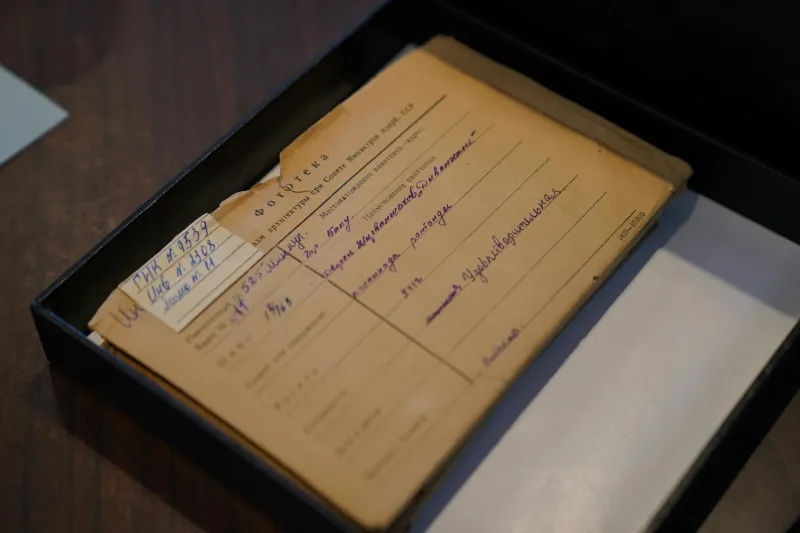
Somewhere in the dusty archives of Flemingsburg, Kentucky, a legal document sat forgotten for 170 years — a document so carelessly written that it accidentally committed an entire town to war against what would eventually become Canada. The discovery of this bureaucratic blunder in 1982 would send local officials scrambling to quietly end a conflict that technically never stopped.
It all began during the height of anti-British sentiment in 1812, when the United States had just declared war on Great Britain. Local governments across America were passing resolutions supporting the war effort, but the town council of Flemingsburg decided to go one step further.
The Ordinance That Launched a Thousand Headaches
On September 15, 1812, Flemingsburg's town council gathered for what should have been a routine meeting. The agenda included standard municipal business: road repairs, tax collection, and a patriotic resolution supporting President Madison's war declaration. But somewhere between the bourbon and the bombast, things went spectacularly off the rails.
The ordinance they passed that evening was supposed to express solidarity with the federal war effort. Instead, the document's sweeping language declared that "all persons residing within the municipal boundaries of Flemingsburg do hereby commit to active hostilities against British North America and all territories therein, until such time as said hostilities are formally concluded by this council."
The problem wasn't just the grandiose language — it was the legal structure. Unlike federal declarations of war, which automatically expire with peace treaties, municipal ordinances remain in effect until specifically repealed. And in their patriotic fervor, Flemingsburg's councilmen had essentially created their own personal war.
The War Nobody Fought
For the next 170 years, Flemingsburg remained technically at war with Canada, though nobody seemed particularly concerned about it. The town went about its business — hosting county fairs, electing mayors, and dealing with the usual small-town dramas — while maintaining what legal scholars would later call "the most polite state of warfare in North American history."
The War of 1812 ended in 1815 with the Treaty of Ghent, but Flemingsburg's personal conflict continued. British North America became the Dominion of Canada in 1867, but the town's war declaration simply transferred to the new nation. Through two world wars, the Great Depression, and the space age, this tiny Kentucky municipality remained locked in a legal battle that existed only on paper.
Discovery Day
The bizarre situation might have continued indefinitely if not for Dr. Margaret Hensley, a legal historian from the University of Kentucky who was researching War of 1812 documentation in 1982. While combing through municipal records for her dissertation, she stumbled across Flemingsburg's declaration and immediately recognized the legal implications.
"At first, I thought it was a joke," Hensley later recalled. "But the more I studied the language and the legal precedents, the more I realized this thing was still technically active. Flemingsburg had been at war with Canada for my entire lifetime."
Hensley's discovery created an immediate problem. Academic conferences were one thing, but if word leaked to the media, it could create an international incident. The Cold War was still raging, and the last thing American diplomats needed was explaining why a Kentucky town had been conducting unauthorized warfare against America's closest ally.
The Quiet Surrender
What followed was one of the most discreet diplomatic operations in American history. Hensley contacted Flemingsburg's mayor, who initially thought the call was a prank. After reviewing the documents with the town attorney, however, they realized the situation was both real and potentially embarrassing.
Working with state officials and the Canadian consulate in Louisville, they crafted a solution that would resolve the matter without attracting attention. On July 4, 1982 — exactly 170 years after the original declaration — Flemingsburg's town council held a special session to formally repeal Ordinance 1812-7.
The repeal document was deliberately mundane, buried among routine business about parking meters and dog licensing. The Canadian government was quietly notified through diplomatic channels, and both sides agreed to treat the entire episode as a historical curiosity rather than a legal crisis.
The Legacy of Legal Laziness
Flemingsburg's accidental war serves as a perfect example of how sloppy government paperwork can create lasting consequences. The town's 170-year conflict with Canada cost exactly zero dollars in military spending and resulted in zero casualties, making it arguably the most successful war in American history.
Today, Flemingsburg embraces its unique distinction as the only American municipality to maintain an independent foreign policy for nearly two centuries. The town's historical society displays a replica of both the original declaration and the 1982 repeal, celebrating what they call "America's politest war."
The incident also prompted Kentucky to review its municipal ordinance procedures, ensuring that future town councils couldn't accidentally declare war on major world powers. Though given Kentucky's political creativity, that might have been overly optimistic.
The Ultimate Bureaucratic Blunder
In an era of instant communication and 24-hour news cycles, it's hard to imagine how such a significant legal oversight could remain hidden for 170 years. But Flemingsburg's forgotten war reminds us that sometimes the most extraordinary stories are hiding in the most ordinary places — filed away in dusty archives, waiting for the right person to discover that reality truly is stranger than fiction.
After all, in a world where towns can accidentally declare war and forget about it for seven decades, maybe we shouldn't be surprised by anything anymore.