The Melted Candy Bar That Revolutionized American Kitchens Forever
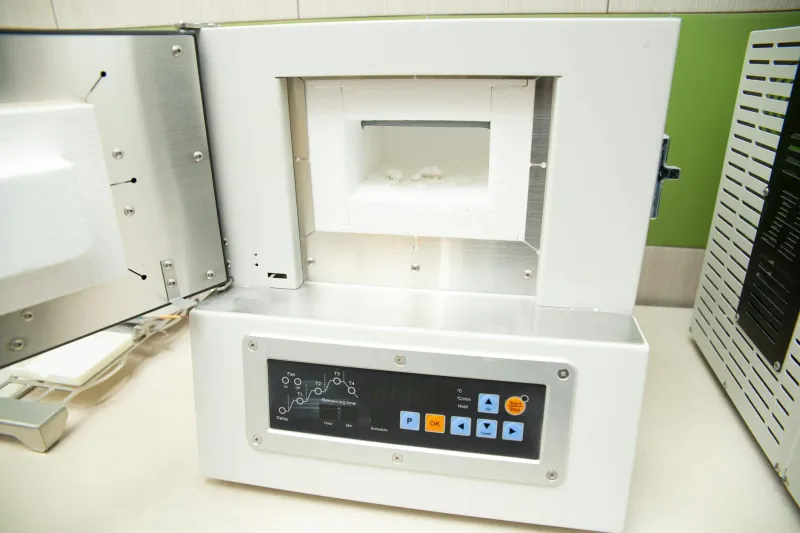
The Day a Candy Bar Changed Everything
Picture this: you're an engineer working on top-secret military radar technology, focused on detecting enemy aircraft, when suddenly you reach into your pocket and find a gooey mess where your afternoon snack used to be. Most people would curse their luck and grab a napkin. Percy Spencer saw the future of cooking.
On an ordinary day in 1945 at Raytheon's Massachusetts laboratory, Spencer was standing near an active magnetron—the heart of military radar systems—when he noticed something peculiar. The Mr. Goodbar chocolate in his pocket had completely melted, despite the fact that he hadn't been anywhere near heat sources. While any reasonable person might have blamed faulty pocket placement, Spencer's engineering mind immediately zeroed in on the radar equipment humming nearby.
From Chocolate to Popcorn: The Eureka Moment
What happened next sounds like something out of a mad scientist's cookbook. Spencer, intrigued by his liquefied lunch, decided to conduct an impromptu experiment. He grabbed a bag of popcorn kernels and held them near the magnetron. Within seconds, kernels began exploding into fluffy white popcorn, scattered across the laboratory floor like edible confetti.
The next morning, Spencer arrived at work with an egg and a kettle with a hole cut in the side. He placed the egg near the magnetron's opening, and his colleague watched in amazement as the egg began to tremble, then suddenly exploded, covering the unfortunate observer's face with hot yolk. Spencer had accidentally discovered that microwaves could cook food from the inside out—a phenomenon that would soon turn the culinary world upside down.
The Birth of a Kitchen Revolution
What makes this story truly remarkable isn't just the accidental nature of the discovery, but how quickly Spencer recognized its potential. Within months, he had filed a patent for "microwave cooking," and Raytheon began developing what they called the "Radarange"—a name that sounds more like a weapon than a kitchen appliance, which, given its military origins, isn't entirely inaccurate.
The first commercial microwave oven, introduced in 1947, was a behemoth that weighed 750 pounds and stood nearly six feet tall. At $5,000 (equivalent to about $60,000 today), it cost more than most Americans' annual salary and required special plumbing for water cooling. The early Radarange was marketed primarily to restaurants and ships, where its ability to cook food quickly outweighed its astronomical price tag and refrigerator-like proportions.
The Irony of War Technology Feeding America
There's a delicious irony in the fact that radar technology—designed to detect and destroy enemy targets—gave birth to America's most beloved kitchen shortcut. The same magnetron tubes that helped win World War II by detecting incoming bombers would soon be reheating leftover pizza in suburban kitchens across the country.
The military connection runs even deeper than most people realize. Early microwave ovens were so expensive and industrial-looking that they found their first civilian home in restaurant kitchens and corporate cafeterias. It wasn't until the 1960s that Amana (a Raytheon subsidiary) introduced the first countertop model, and even then, it cost $495—still a significant investment for most families.
From Laboratory Accident to American Staple
By the 1970s, microwave ovens had begun their march into American homes, transforming not just how we cooked, but what we ate. The convenience of instant heating gave birth to an entire industry of microwave-ready meals, from TV dinners to Hot Pockets. Spencer's melted chocolate bar had accidentally created the foundation for America's fast-paced, convenience-focused food culture.
Today, over 95% of American households own a microwave oven, making it more common than dishwashers or garbage disposals. The technology that started with a sticky pocket mishap has become so integral to American life that many people can't imagine functioning without it.
The Sweet Legacy of an Accidental Genius
Percy Spencer, who held 300 patents by the end of his career, probably never imagined that his most lasting contribution to humanity would come from a melted candy bar. His accidental discovery didn't just create a new appliance—it fundamentally changed how Americans think about food preparation, turning cooking from an art requiring time and skill into something that could be accomplished with the push of a button.
The next time you're reheating leftovers or making microwave popcorn, remember that you're participating in one of history's most delicious accidents. A man looking for enemy aircraft ended up giving America its favorite kitchen shortcut, proving that sometimes the most revolutionary discoveries come not from careful planning, but from paying attention when things don't go according to plan.
In a world where most innovations require years of research and development, Spencer's microwave stands as a testament to the power of accidental genius—and the importance of always keeping chocolate in your pocket, just in case.