The Paperwork Glitch That Made an Entire Montana Town Disappear From America

When America Lost a Town to Its Own Red Tape
Imagine opening your mailbox to find a letter from the IRS declaring your hometown no longer exists—at least not as part of the United States. For residents of Millerville, Montana, this bureaucratic nightmare became a six-year tax holiday that sounds too absurd to be real.
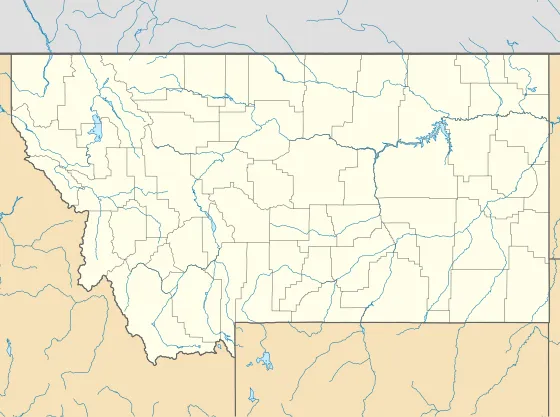 Photo: Millerville, Montana, via upload.wikimedia.org
In 1973, a clerical worker in Helena mistakenly filed the town's municipal incorporation papers under the wrong federal classification code. Instead of marking Millerville as a domestic municipality, the paperwork identified it as a "foreign administrative district." This single keystroke error would cascade through layers of government bureaucracy, creating one of the most bizarre tax situations in American history.
The Mistake That Kept on Giving
The error might have been caught immediately if anyone had been paying attention. But Millerville was small—just 847 residents scattered across ranches and a modest downtown strip. The town's biggest claim to fame was a grain elevator and a diner that served coffee strong enough to wake the dead.
When tax season rolled around in 1974, something strange happened. Millerville residents who dutifully filed their federal returns received letters stating they were "not subject to U.S. domestic taxation requirements." The IRS computer system, following the municipal classification to its logical conclusion, had determined these Americans were foreign nationals living abroad.
Most residents assumed it was a temporary glitch. They called the local IRS office, where confused agents promised to "look into it." But the correction never came. Year after year, Millerville residents found themselves exempt from federal income taxes while remaining fully American citizens.
The Conspiracy of Silence
What happened next reveals something fascinating about human nature. Rather than raising hell about the obvious mistake, most residents simply... went along with it. Word spread quietly through the community that federal taxes were "temporarily suspended." Newcomers were discreetly informed about the situation by neighbors.
Local accountant Martha Hendricks later admitted she prepared returns for clients knowing they wouldn't owe federal taxes. "I figured if the government couldn't keep track of its own paperwork, that wasn't my problem," she recalled decades later. "My job was to file what the system would accept."
The conspiracy of silence extended beyond individual residents. Millerville's mayor, Jim Patterson, received correspondence from various federal agencies addressing the town as a "foreign administrative partner." Rather than correcting the record, he filed these letters away and continued conducting normal municipal business.
Living in Bureaucratic Limbo
The classification created bizarre situations that residents learned to navigate. Federal agencies would send international correspondence to Millerville's post office. The town received foreign aid applications meant for developing nations. One memorable incident involved a State Department official visiting to discuss "bilateral trade agreements" between the United States and the "Administrative District of Millerville."
Meanwhile, residents continued voting in federal elections, receiving Social Security benefits, and using U.S. passports for international travel. They were simultaneously American citizens and foreign residents in the eyes of different government computers.
The situation became even more surreal when the IRS began sending Millerville's mayor annual reports on "foreign entity compliance." These documents praised the town's "excellent cooperation with U.S. taxation authorities" and its "zero incident rate for tax disputes."
When Reality Finally Caught Up
The fantasy ended in 1979 when a sharp-eyed IRS auditor named Rebecca Morrison was reviewing regional tax collection data. She noticed an unusual statistical anomaly: an entire Montana zip code showing zero federal tax revenue for six consecutive years.
 Photo: Rebecca Morrison, via www.brplc.com
Morrison's investigation uncovered the original filing error and the subsequent cascade of bureaucratic confusion. Her report, later obtained through Freedom of Information Act requests, described the situation as "an unprecedented failure of inter-agency communication resulting in the inadvertent creation of a domestic tax haven."
The Reckoning
The IRS faced a dilemma. Technically, Millerville residents had followed the law as their computers understood it. Demanding six years of back taxes would be legally questionable and politically disastrous. After months of internal debate, the agency chose the path of least resistance.
Residents received letters explaining the "administrative correction" and informing them that normal tax obligations would resume immediately. No back taxes were demanded. No penalties were assessed. The government simply pretended the whole thing never happened.
The Town That Bureaucracy Forgot
Today, Millerville exists much as it did before—a quiet farming community where grain elevators pierce the Montana sky. But for six years, this unremarkable town achieved something no American community had ever managed: complete independence from federal taxation through pure bureaucratic incompetence.
The incident remains a testament to the power of paperwork in modern society. One misplaced classification code created a reality that thousands of government employees accepted without question. It took six years for anyone to ask the obvious question: how can an American town exist outside American taxation?
In a world where government efficiency is constantly debated, Millerville's story offers a different perspective. Sometimes the most remarkable thing about bureaucracy isn't its power—it's its capacity to lose track of entire communities hiding in plain sight.