The Widow Who Rewrote America's Mourning Rules: How One Woman's Grief Banned Blue Forever
When Personal Grief Became National Law
In the peculiar world of Victorian social customs, few rules were as ironclad—or as accidentally created—as the prohibition against wearing blue to funerals. For nearly 80 years, this unwritten law governed American mourning practices with the force of divine commandment, all because one grieving widow in Pittsburgh made a fashion choice that somehow became national doctrine.
The story begins with tragedy, as these tales often do, but evolves into something far stranger: how individual mourning became mass social engineering.
The Blackwood Fortune and Its Sudden End
Harrison Blackwood built his steel empire during America's industrial awakening, transforming Pittsburgh's skyline with his foundries and his fortune. When he died suddenly of pneumonia in November 1847, he left behind not just a business empire but a widow whose grief would inadvertently reshape American culture.
Eleanor Blackwood was already known for her dramatic flair. Society pages regularly covered her elaborate dinner parties and fashion choices. But nothing had prepared Pittsburgh—or America—for the spectacle she would create in her husband's honor.
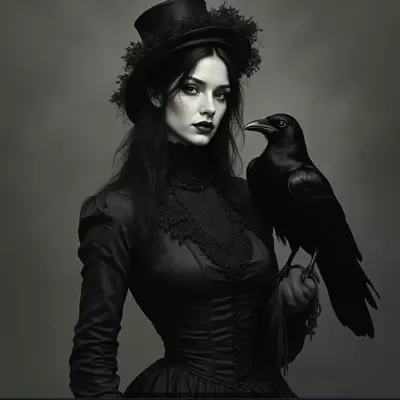 Photo: Eleanor Blackwood, via image-cdn.flowgpt.com
The Funeral That Stopped a Nation
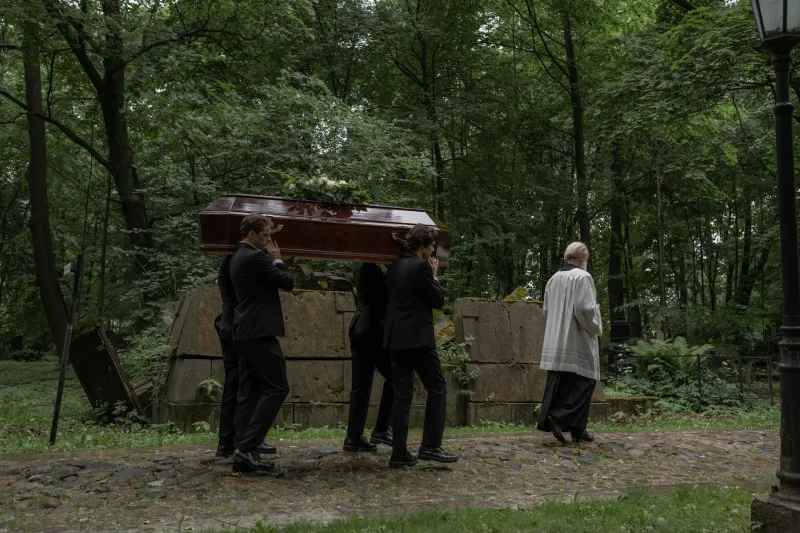
Eleanor's vision for her husband's funeral was unprecedented in its scope and theatrical precision. She commissioned an entirely black procession: black horses, black carriages, black flowers, and mourners dressed head to toe in unrelieved black. Even the streets were draped in black bunting for six city blocks.
But the detail that captured national attention was Eleanor's absolute prohibition against any hint of color at the service. When her own sister arrived wearing a navy blue dress—considered appropriate mourning attire at the time—Eleanor famously barred her from the church.
"No color shall diminish the purity of our grief," Eleanor declared, according to newspaper accounts. "Harrison deserves the absolute darkness of our sorrow."
How Pittsburgh Became America's Mourning Capital
The Blackwood funeral lasted three days and drew thousands of spectators from across the region. Newspapers provided breathless coverage of every detail, from the Belgian black horses to Eleanor's custom-made mourning jewelry. The event became a cultural phenomenon that transcended regional boundaries.
What made the coverage particularly influential was the emerging network of national newspapers and magazines. Harper's Weekly, Godey's Lady's Book, and dozens of regional publications carried detailed descriptions of Eleanor's "perfect mourning" to readers across the country.
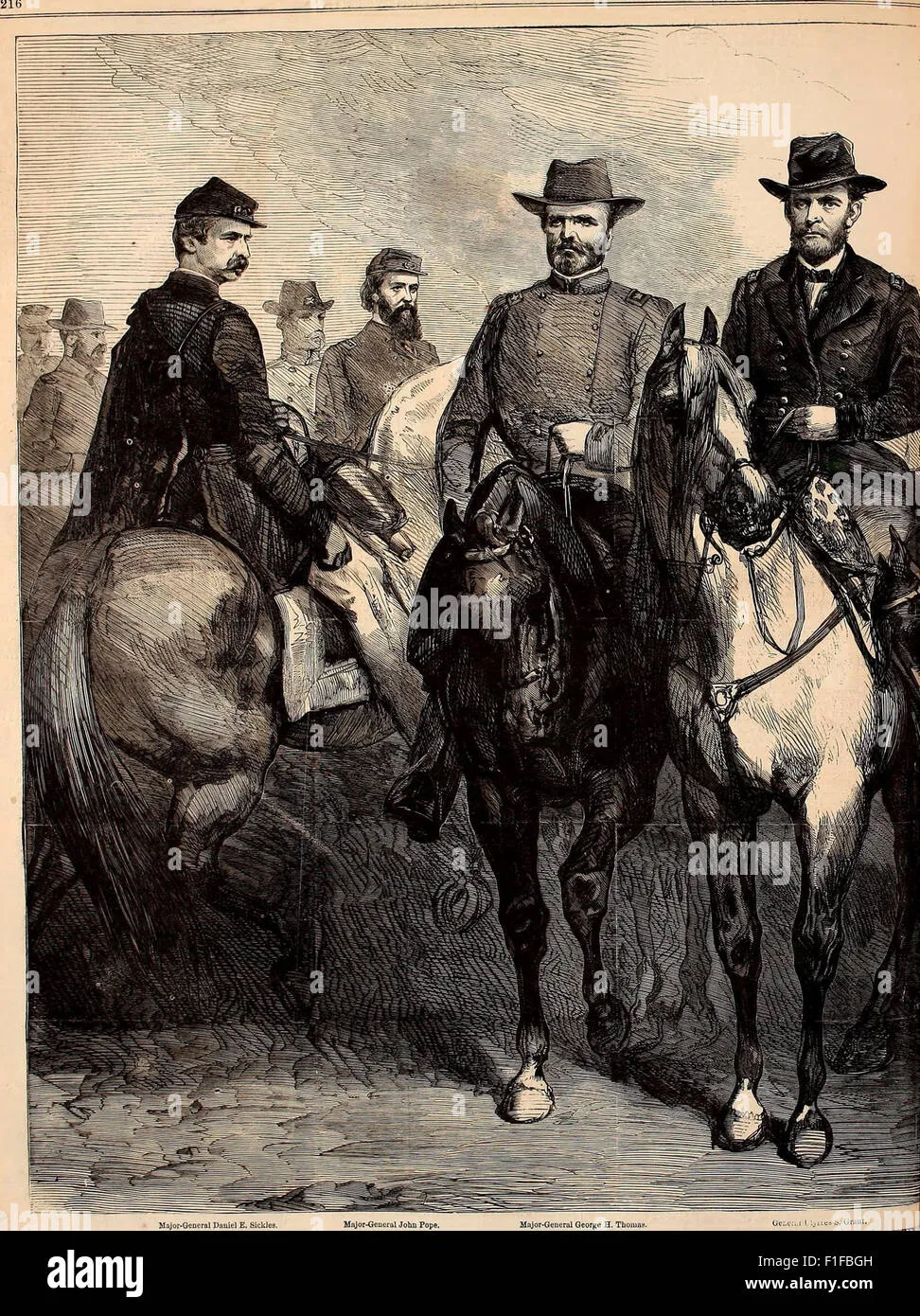 Photo: Harper's Weekly, via c8.alamy.com
Within months, society hostesses from Boston to Charleston were copying elements of Eleanor's funeral aesthetic. But it was her rejection of blue—traditionally considered a mourning color—that somehow became the lasting legacy.
The Color That Became Forbidden
Before Eleanor's dramatic gesture, blue had been perfectly acceptable funeral attire. Dark blue, navy, and even certain shades of gray-blue were standard choices for those who couldn't afford or didn't prefer black garments. Eleanor's single act of excluding her blue-clad sister transformed this practical tradition into a social taboo.
The transformation didn't happen overnight. Initially, only the wealthiest families adopted Eleanor's "pure mourning" standards. But as American society became increasingly concerned with proper etiquette and social standing, the prohibition against blue at funerals spread like a moral contagion.
By the 1860s, etiquette manuals were citing the "Blackwood Standard" as the proper approach to funeral attire. By the 1880s, wearing blue to a funeral in most American communities could result in social ostracism.
The Enforcers of Unwritten Law
What made Eleanor's accidental rule so powerful was how thoroughly American society embraced and enforced it. Churches began posting dress codes that specifically prohibited blue garments. Funeral directors would quietly suggest that blue-clad mourners wait outside during services.
The most documented incident occurred in 1923 when a woman in Des Moines, Iowa, was asked to leave her own father's funeral because her dark blue dress violated "community standards of respect." The incident made national news, with editorials debating whether the rule had gone too far.
Yet even critics of the blue prohibition rarely questioned its origins or logic. It had simply become one of those social facts that Americans accepted without examination—like not wearing white after Labor Day or standing for the national anthem.
The Business of Mourning Fashion
Eleanor's influence extended far beyond social customs into American commerce. The prohibition against blue at funerals created a massive market for black mourning attire. Department stores developed entire sections devoted to "proper grief clothing." Entrepreneurs built fortunes manufacturing black accessories, from jet jewelry to crepe veils.
The mourning industry became particularly powerful in enforcing the blue taboo because it was profitable to do so. Why sell blue mourning dresses when social pressure guaranteed demand for black ones? Fashion magazines and etiquette guides, often supported by mourning wear advertisers, continuously reinforced Eleanor's original aesthetic.
When the Rule Finally Broke
The blue prohibition began to weaken during the 1920s as American society embraced more casual approaches to tradition. World War I had already disrupted many Victorian customs, and the postwar generation was less willing to follow rules they didn't understand.
The final blow came during the Great Depression when many families simply couldn't afford appropriate black mourning attire. Practical necessity forced communities to accept whatever dark clothing mourners could manage, including the previously forbidden blue.
By the 1940s, the prohibition had quietly dissolved in most parts of the country. Younger Americans had no memory of its origins, and older generations were reluctant to explain a rule that had never made logical sense.
The Widow's Unintended Legacy
Eleanor Blackwood lived until 1891, long enough to see her personal aesthetic choice become national custom. She never publicly commented on how her grief had been transformed into social law, perhaps because she never fully understood the cultural forces she had unleashed.
Her story reveals something profound about how social customs develop in democratic societies. Unlike laws imposed by governments, cultural rules often emerge from individual actions that capture the public imagination. Eleanor's dramatic funeral provided a template that Americans adopted not because it was mandated, but because it felt appropriately serious and respectful.
The Rules We Follow Without Knowing Why
Today, few Americans remember when blue was forbidden at funerals, but Eleanor's influence lingers in subtler ways. The expectation that mourning should be visually serious, the preference for dark colors at somber occasions, and the general sense that funerals require special dress codes all trace back to that November day in Pittsburgh when one woman's grief became a nation's guidebook.
In our era of rapidly changing social customs, Eleanor Blackwood's story serves as a reminder of how accidentally powerful individual choices can become. Sometimes the most enduring rules are the ones nobody meant to create—they just happened to grieve in public at exactly the right historical moment.