Wrong Way to Glory: The Bridge That Shouldn't Exist But Changed Everything
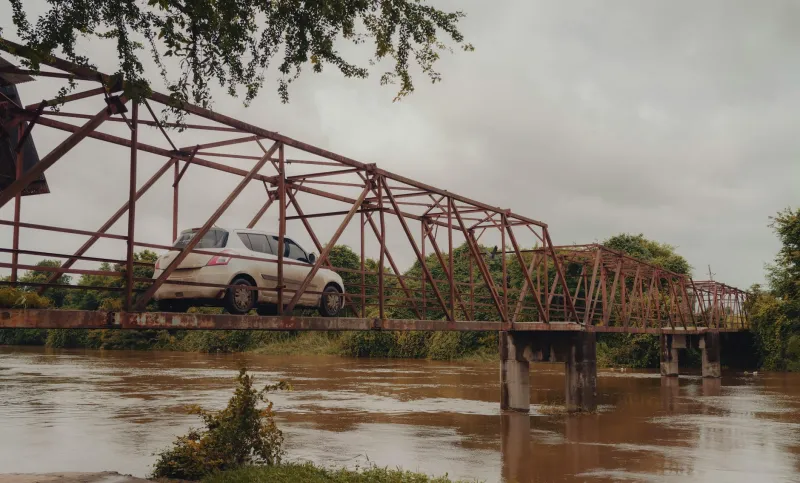
The Most Successful Mistake in American Infrastructure
Some of history's greatest achievements began with spectacular failures. The Clearwater Bridge in rural Alabama stands as perhaps the ultimate example—a Depression-era construction project so thoroughly botched that it accidentally became one of the South's most important transportation corridors.
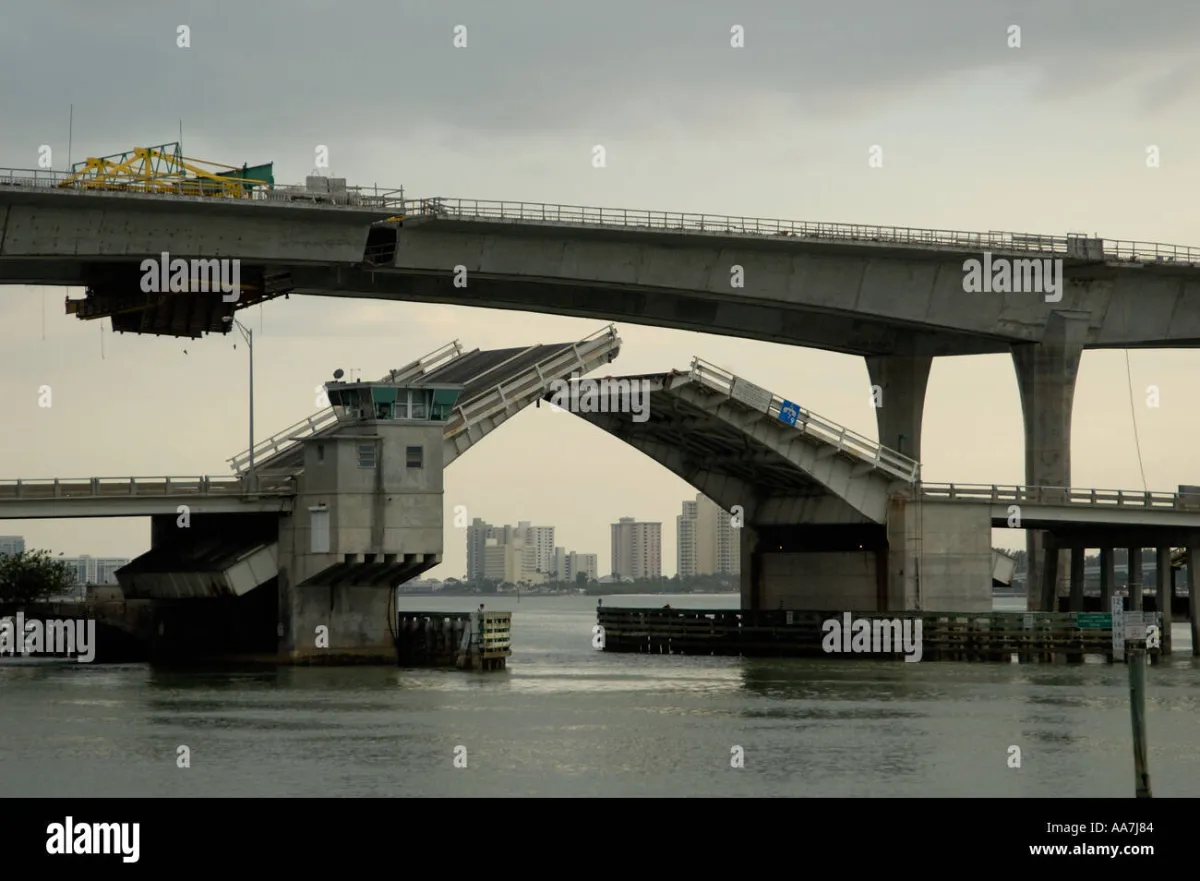 Photo: Clearwater Bridge, via c8.alamy.com
Built in entirely the wrong location using the wrong materials to cross the wrong river, this bridge represents everything that could go wrong with a government project. Yet for nearly a century, it has served as the economic backbone of three counties, proving that sometimes the best way forward is to embrace your mistakes.
When Everything Goes Wrong From Day One
In 1934, the Works Progress Administration approved funding for a bridge to connect the towns of Riverside and Millfield across the Clearwater River. The project seemed straightforward: a modest steel span to replace an aging ferry service that had connected these communities for generations.
The trouble began when surveyor Thomas Brennan arrived to map the construction site. Brennan, working from outdated maps and battling a particularly harsh Alabama winter, misidentified his location by nearly eight miles. Instead of the narrow crossing between Riverside and Millfield, he marked a site where the river bent sharply through dense forest.
Construction foreman Mike O'Malley later admitted he knew something was wrong when his crew spent three weeks clearing trees before finding water. "We were supposed to be building over an established crossing," he recalled in a 1970s interview. "But we were chopping down forests that hadn't seen an ax in decades."
Doubling Down on Disaster
By the time anyone realized the magnitude of the error, the project was already months behind schedule and thousands of dollars over budget. The bridge footings had been poured at the wrong site. Worse yet, Brennan's location placed the bridge over a section of river that was both deeper and wider than originally planned.
Any rational response would have involved stopping construction, admitting the mistake, and starting over at the correct location. But this was 1934, and the WPA was under enormous political pressure to show results. Project supervisor Harold Decker made a fateful decision: finish the bridge where it stood.
"Decker figured a bridge in the wrong place was better than no bridge at all," O'Malley remembered. "He told Washington we'd found a 'more suitable crossing' and requested additional materials for the expanded span."
The Wrong Materials for the Wrong Job
The original bridge design called for a simple steel beam structure appropriate for a narrow river crossing. But Brennan's accidental site required something far more substantial. Rather than redesign from scratch, engineers improvised with whatever materials they could requisition.
The result was an architectural Frankenstein: steel beams intended for the original span, reinforced with concrete supports meant for a highway overpass, anchored by foundations designed for a railroad bridge. Multiple engineering firms later described it as "structurally impossible" based on the blueprints alone.
Yet somehow, it worked. The bridge opened in 1936, connecting two points that had never needed connecting before—and accidentally creating the most direct route between Birmingham and Mobile.
The Accident That Rewrote Geography
What nobody anticipated was how dramatically the bridge would alter regional transportation patterns. The "wrong" location happened to provide a straight-line route between Alabama's largest city and its primary port, cutting nearly 40 miles off the previous journey.
Within months of opening, the Clearwater Bridge was handling ten times its expected traffic volume. Trucking companies rerouted their operations through the accidental corridor. The small communities of Riverside and Millfield, originally intended to benefit from the bridge, found themselves bypassed by a transportation revolution happening eight miles away.
Boom Towns in the Forest
The bridge's success spawned development that nobody had planned for. Gas stations, diners, and motor lodges sprang up around both approaches. Two entirely new communities—Clearwater Heights and Bridge Junction—emerged from nothing to serve the unexpected traffic flow.
Local farmer Ernest Caldwell owned land on both sides of the bridge. "One day I'm growing cotton and corn," he later told reporters. "Next thing I know, there's a highway running through my pasture and city folks wanting to buy lots for restaurants."
By 1940, the area around the "wrong" bridge had become more economically important than the communities it was originally supposed to serve.
The Right Mistake at the Right Time
World War II transformed the Clearwater Bridge from a regional convenience into a strategic necessity. The direct route between Birmingham's steel mills and Mobile's shipyards became crucial for wartime production. Military convoys that might have struggled with the original ferry crossing could handle the robust—if accidentally designed—bridge with ease.
After the war, the bridge anchored Alabama's economic development as the state transitioned from agriculture to industry. The corridor became home to manufacturing plants, distribution centers, and eventually shopping complexes that drew from a three-county area.
Engineering by Accident
Modern structural analysis has revealed just how unlikely the bridge's success really was. The combination of mismatched materials and improvised design should have created a maintenance nightmare. Instead, the over-engineered structure has required minimal repairs over its 90-year lifespan.
"It's stronger than bridges we build today with computer modeling and advanced materials," admitted state transportation engineer Linda Martinez in a 2020 assessment. "Sometimes you get lucky with overkill."
A Monument to Magnificent Failure
Today, the Clearwater Bridge carries Interstate 65 traffic and remains one of Alabama's busiest river crossings. A historical marker at the bridge approaches tells the official story of "visionary planning" and "strategic location selection." It makes no mention of surveying errors or construction mistakes.
But locals know the truth: their most important piece of infrastructure exists entirely by accident. The bridge that shouldn't have been built in the place it shouldn't be has become indispensable to three generations of Alabamians.
In an era of precision engineering and computer-aided design, the Clearwater Bridge stands as a reminder that sometimes the best solutions come from embracing our mistakes rather than fixing them. After all, the wrong bridge in the wrong place can still be the right answer—if you're willing to see where it leads.