One Pothole, One Vote, One Very Confused Federal Government: The Minnesota Town That Quit America
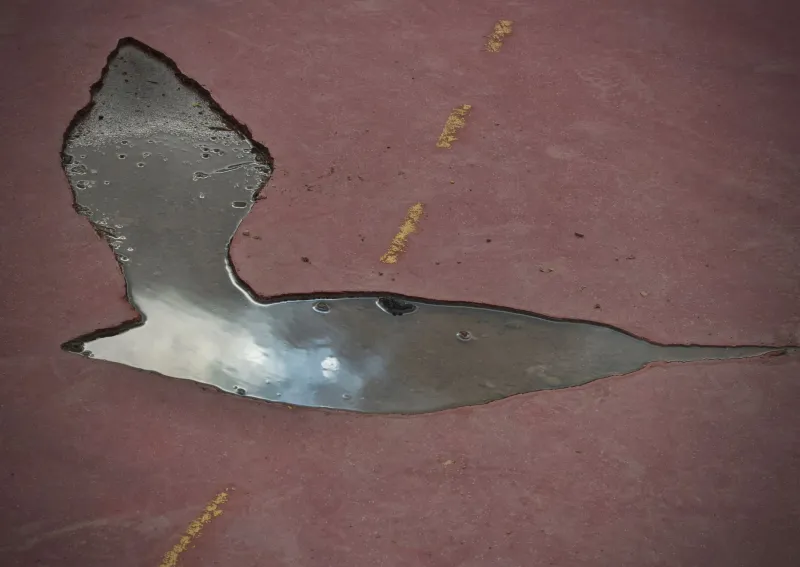
There are a lot of ways to complain about a bad road. You can call your local representative. You can write a strongly worded letter. You can post about it online — or, if it's 1977 and you're a stubborn iron-range community in northern Minnesota, you can simply secede from the United States of America.
That's exactly what Kinney, Minnesota did. And the strangest part? It almost worked.
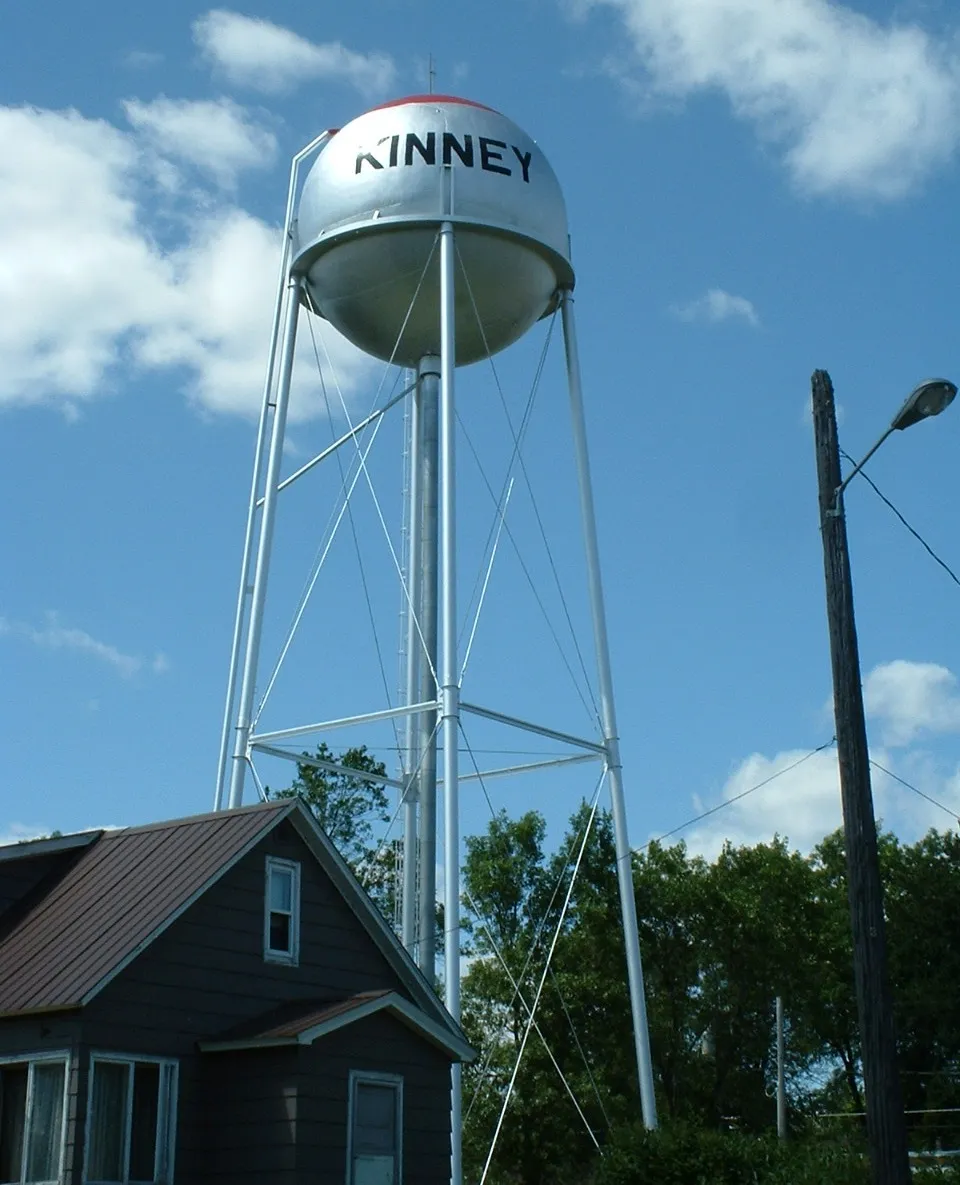 Photo: Kinney, Minnesota, via lakesnwoods.com
The Road That Started a Revolution
Kinney sits in St. Louis County in the Iron Range, a stretch of northern Minnesota that once fueled America's steel industry and still carries a chip on its shoulder about being forgotten by the rest of the country. By the mid-1970s, the town had a population hovering around 150 people, a proud mining heritage, and one catastrophically deteriorating road that connected them to the wider world.
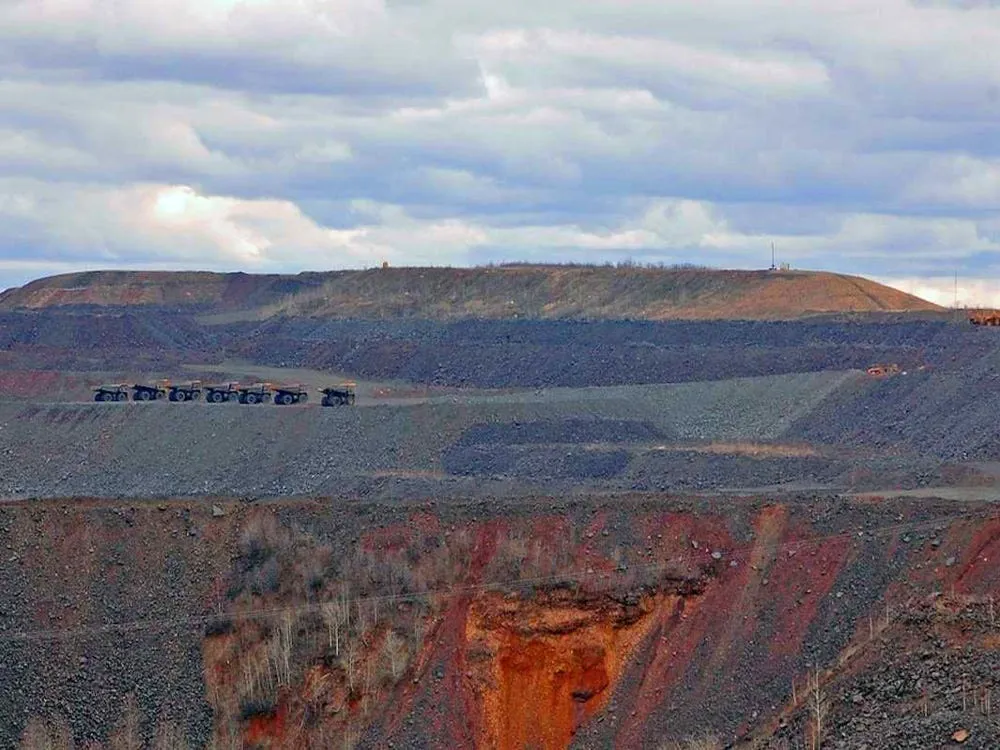 Photo: Iron Range, via static2.businessinsider.com
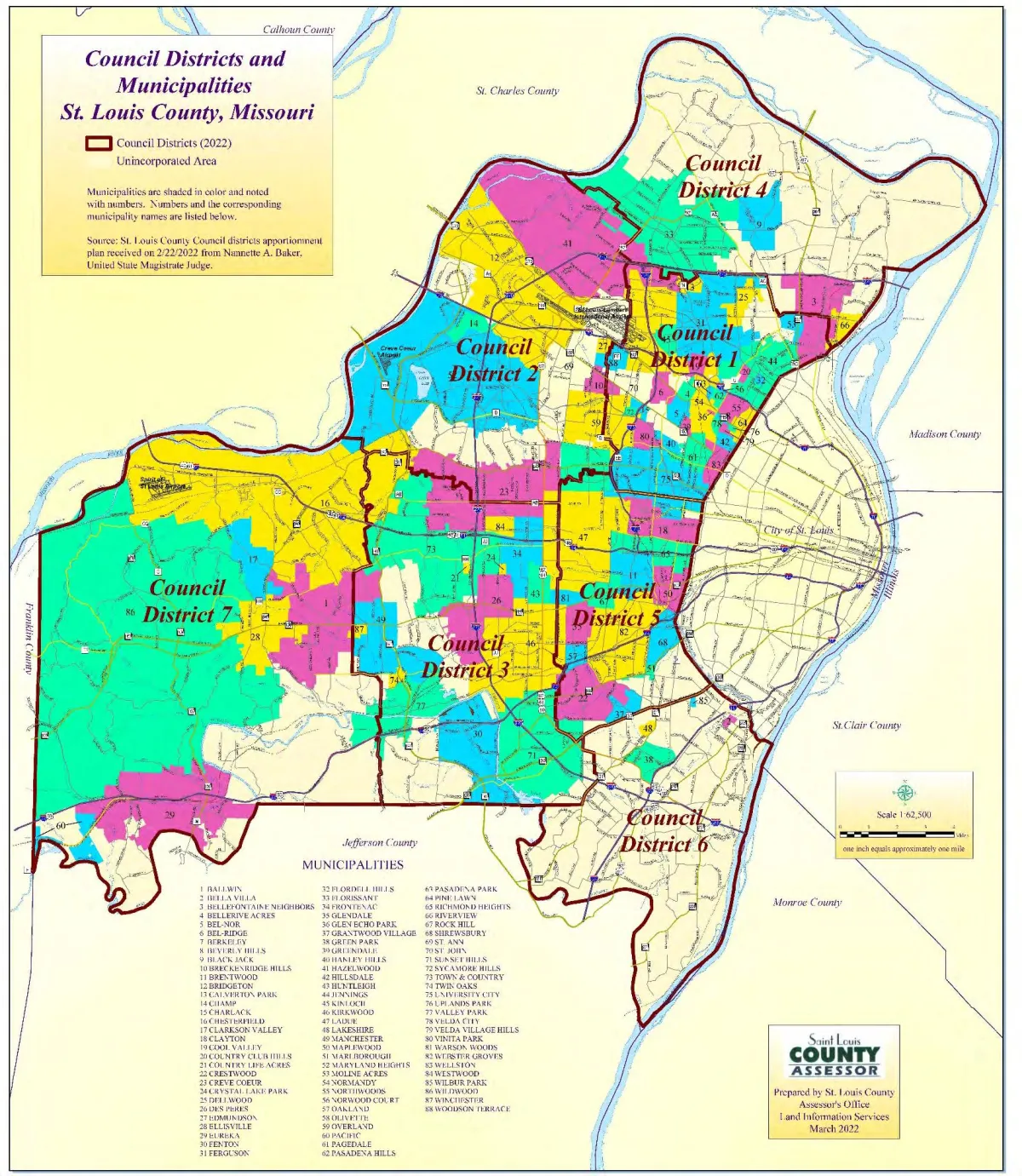 Photo: St. Louis County, via assets.isu.pub
Residents had been filing complaints about the road for years. Letters were sent. Phone calls were made. Officials nodded, promised, and did absolutely nothing. The pothole in question — which locals had taken to calling by increasingly colorful names — had grown large enough to swallow a tire whole and had reportedly sent more than one resident's vehicle to the repair shop.
When a particularly nasty Minnesota winter finished off what was left of the road's surface in early 1977, the town council had finally had enough. Someone — accounts differ on exactly who — floated the idea of seceding from the United States as a publicity stunt. The room, apparently, loved it.
The Vote Heard Around the Iron Range
On August 22, 1977, the Kinney town council held a formal vote and declared the community an independent nation. They named themselves the Republic of Kinney, elected a mayor-turned-head-of-state, and immediately applied for foreign aid from the federal government — reasoning that as a newly independent nation, they were now eligible for international assistance programs.
They also, with remarkable thoroughness for a gag, drafted a brief declaration explaining their grievances, appointed a "secretary of state" to handle diplomatic correspondence, and issued a tongue-in-cheek demand that the United States repair the road as a condition of any future reunification.
The whole thing was meant to last a news cycle. Maybe two.
Instead, it exploded.
When the Joke Got Too Real
National wire services picked up the story within days. The Associated Press ran it. Television crews made the drive up to the Iron Range to film the pothole that had launched a thousand headlines. Kinney, a town most Minnesotans had never heard of, was suddenly everywhere.
The state government, for its part, was not amused. Officials in St. Paul found themselves fielding genuine questions about whether a Minnesota municipality could legally secede — which, legally speaking, it absolutely could not. But the paperwork the council had filed, submitted with deadpan seriousness to multiple state and federal offices, created a tangled mess of confused bureaucratic responses that nobody had anticipated.
Some offices sent formal letters acknowledging receipt. Others requested clarification. One federal agency, apparently processing the foreign aid application without reading it carefully, sent back a standard eligibility questionnaire. The town council filled it out and returned it.
State officials later described the cleanup process as "unexpectedly complicated." Untangling the paperwork — canceling the foreign aid application, clarifying Kinney's legal status, and formally closing out the various filings — took the better part of two years.
The Pothole Gets Fixed
Here's the part that makes the whole story worth telling: it worked.
Within weeks of the secession making national news, St. Louis County dispatched a road crew to Kinney. The road was repaired. The pothole — that legendary, car-eating, republic-founding pothole — was filled.
Kinney "rejoined" the United States with a ceremonial vote, the council declared victory, and life in the Iron Range returned to normal. The mayor gave a brief speech. Someone made a cake.
The episode became a minor legend in Minnesota political history, occasionally cited in discussions about civil disobedience, local government frustration, and the surprising power of a well-executed publicity stunt. Political science professors have used it as a case study. Late-night hosts referenced it at the time. A few historians have written about it as an unusually pure example of grassroots pressure working exactly as intended.
What Kinney Actually Proved
The Republic of Kinney lasted roughly three weeks in any meaningful sense, never had a military, never issued a passport, and was never recognized by any foreign government. It was, by every legal and practical measure, not a real country.
But it generated more results than years of legitimate complaints had managed to produce. That's the part that sticks.
There's something very American about the whole thing — the frustration, the theatrics, the absurd paperwork, the reluctant capitulation by a bureaucracy that was more embarrassed than anything else. Kinney didn't have money or political connections. They had a bad road, a sense of humor, and the willingness to take the joke all the way to the federal government.
The pothole is long gone. The story isn't.
Somewhere in a St. Louis County filing cabinet, there is almost certainly still a foreign aid eligibility questionnaire, dutifully filled out and submitted by the government of a nation that never technically existed. That's the kind of thing that doesn't really go away.