Democracy Gone Wild: When Texas Voters Chose Four Legs Over Two and Refused to Look Back
The Ballot That Changed Everything
Sometimes democracy works in mysterious ways. In the dusty border town of Lajitas, Texas, population 75, the 1938 mayoral election was supposed to be a straightforward affair. Instead, it became one of the most bizarre political stories in American history — all because someone thought it would be funny to put a donkey on the ballot.
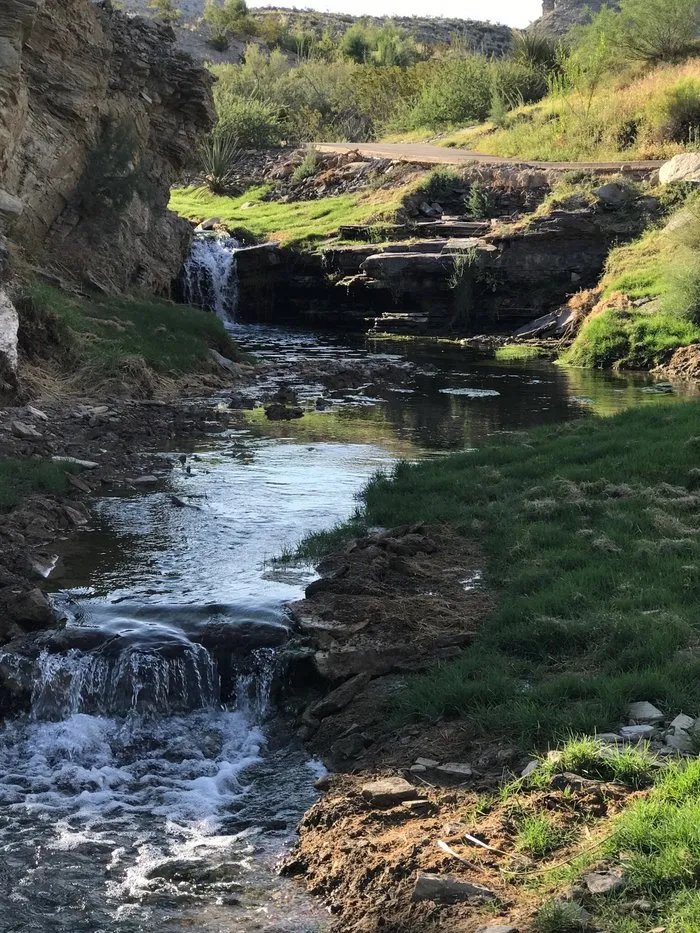 Photo: Lajitas, Texas, via dynamic-media-cdn.tripadvisor.com
Paisano Pete wasn't your typical political candidate. He had four legs, ate hay, and his campaign platform consisted entirely of standing around looking confused. Yet when the votes were counted, this beer-drinking burro had won by a landslide, capturing an overwhelming majority that would make any human politician jealous.
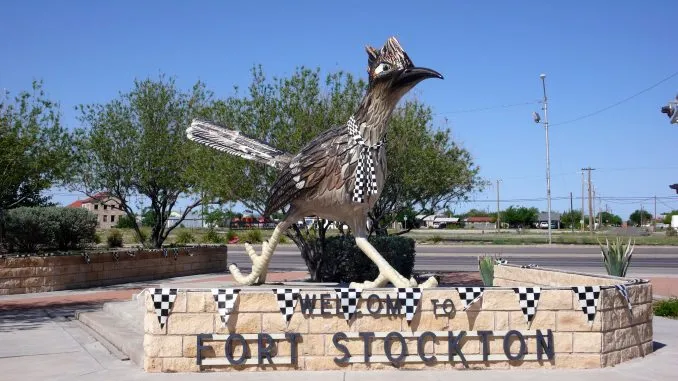 Photo: Paisano Pete, via buyoya.com
How a Prank Became Policy
The whole mess started when local businessman Tommy Thompson decided the town's political scene needed some comic relief. Lajitas had been struggling with typical small-town governance issues — disputes over water rights, arguments about road maintenance, and the eternal question of who should run the general store. Thompson figured a little humor might lighten the mood.
What he didn't count on was the residents taking his joke candidate seriously. Or rather, taking him more seriously than the actual human candidates.
"People were fed up with politicians," recalled longtime resident Maria Santos years later. "Pete never made promises he couldn't keep, never raised taxes, and never got caught in a scandal. He was the most honest candidate we'd ever had."
When election day arrived, voters showed up in droves — not to participate in democracy, but to make a statement about it. Pete's victory wasn't just decisive; it was a political earthquake that nobody knew how to handle.
The Bureaucratic Nightmare That Followed
Here's where things got really strange. Texas election law in 1938 had no provisions for what to do when a non-human candidate won office. County officials spent weeks poring over legal documents, trying to find precedent for voiding the election. They found none.
The Secretary of State's office in Austin was equally baffled. Technically, Pete had won a legitimate election with legitimate votes. The fact that he was a donkey seemed to be beside the point, legally speaking. Without clear grounds for invalidating the results, officials found themselves in the absurd position of having to recognize a farm animal as a duly elected mayor.
Meanwhile, Pete continued his mayoral duties with characteristic dignity. His daily routine involved standing near the town hall, occasionally braying at constituents, and accepting the beer offerings that had become his unofficial salary. Town council meetings took on a surreal quality, with Pete present but silent, lending an air of gravitas that human politicians rarely managed.
When Nonsense Actually Made Sense
What happened next surprised everyone, including the people who voted for Pete as a joke. The town ran better than it had in years. Without a human mayor to push personal agendas or play political favorites, the town council was forced to actually collaborate on decisions. Major disputes were resolved through genuine discussion rather than political maneuvering.
Pete's administration saw improvements to the town's infrastructure, better relationships with neighboring communities, and a surprising boost to local tourism. Word of the donkey mayor spread, and curious visitors began stopping by Lajitas just to see the town that had elected a farm animal and somehow made it work.
"Pete brought us together," explained former councilman Robert Martinez. "When your mayor is a donkey, you can't take politics too seriously. We started focusing on what actually mattered — keeping the town running and taking care of each other."
The Legacy That Wouldn't Quit
Paisano Pete served as mayor until his death in 1942, at which point the town faced another unprecedented situation: how do you replace a donkey mayor? The answer, it turned out, was with another donkey. The residents had grown so fond of their unconventional leadership style that they elected Pete's successor, Paisano Pete Jr., to continue the family legacy.
The tradition continued for decades, with a succession of donkey mayors serving Lajitas well into the 1980s. Each election drew national media attention, turning the tiny border town into an unlikely symbol of American political creativity.
The Serious Side of Silly Politics
While the story of Paisano Pete sounds like pure comedy, it actually revealed something profound about American democracy. In an era when political cynicism was already taking root, the voters of Lajitas found a way to express their frustration while still participating in the democratic process.
Their choice wasn't really about electing a donkey — it was about rejecting the assumption that politics had to be taken so seriously that it stopped working for ordinary people. By embracing the absurd, they created a political environment where actual governance could flourish.
Today, Lajitas has returned to human mayors, but the legacy of Paisano Pete lives on. The town still celebrates its unique political history, and visitors can see a monument to the donkey who proved that sometimes the best way to fix democracy is to stop taking it so seriously.
In a world where political discourse often feels broken, maybe we could all learn something from a small Texas town that discovered the secret to good governance: sometimes the best politicians are the ones who never wanted the job in the first place.