The Retiree Who Dug Up History: How Tomato Plants Uncovered America's Lost Colonial Past
The Garden That Rewrote History
Harold Winters had simple retirement plans: tend a vegetable garden, read mystery novels, and enjoy the peace of his Annapolis backyard. What he discovered beneath his lawn would turn him into one of the most unlikely archaeological success stories in American history — and prove that sometimes the most important discoveries happen when you're just trying to grow tomatoes.
It was a Tuesday morning in March 2004 when Winters first hit something that wasn't supposed to be there. His shovel struck what felt like stone about two feet down, right where he'd planned to plant his pepper seedlings. Most people would have worked around it. Winters, driven by the same curiosity that had made him notice every detail during his 30-year postal career, decided to dig deeper.
When Hobby Meets History
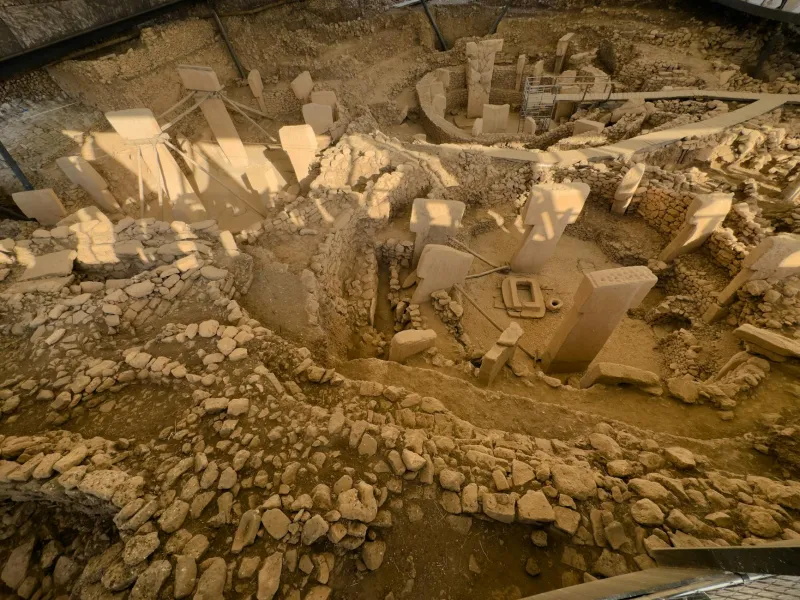
What started as a minor gardening obstacle quickly became an obsession. The "stone" turned out to be part of a foundation wall, perfectly preserved beneath centuries of Maryland soil. Within days, Winters had uncovered the outline of what appeared to be a substantial colonial-era structure, complete with a stone-lined well and what looked like the remains of a kitchen hearth.
Any reasonable person would have called the authorities at this point. Winters, however, had caught archaeology fever. Armed with hand tools, a borrowed metal detector, and library books about proper excavation techniques, he began methodically uncovering what would prove to be one of the most significant colonial archaeological sites in the Chesapeake Bay region.
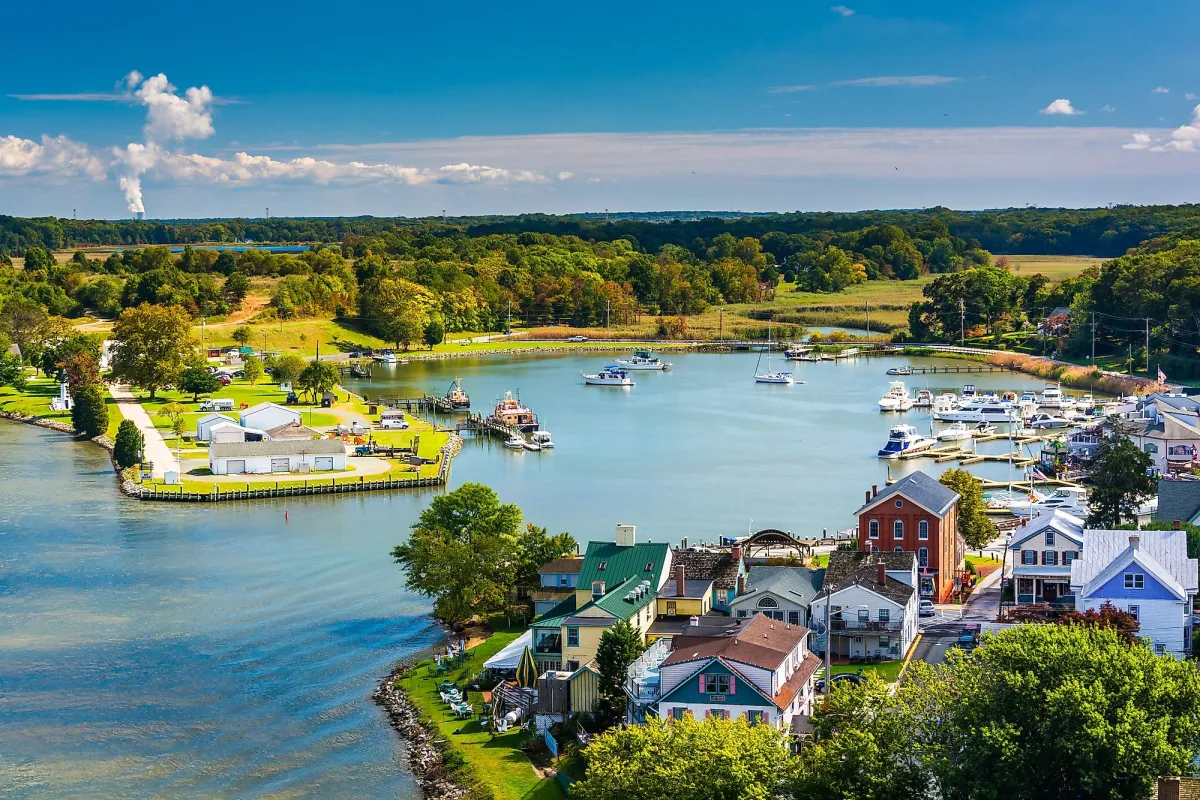 Photo: Chesapeake Bay, via www.worldatlas.com
"I knew I was onto something special when I found the first piece of pottery," Winters recalled years later. "It had this blue pattern on it that looked nothing like anything you'd see in a modern kitchen. That's when I started taking pictures of everything."
The Professionals Who Got It Wrong
Winters' meticulous documentation would later prove crucial, but initially, it only earned him dismissal from the academic community. When he contacted the Maryland Historical Society in 2005, armed with photographs and carefully cataloged artifacts, the response was politely skeptical.
Dr. Patricia Coleman, the society's lead archaeologist at the time, admits she initially wrote off Winters as another well-meaning amateur who had probably found the remains of a 19th-century farmhouse. "We get calls like this all the time," she explained. "Most backyard 'discoveries' turn out to be old septic systems or storm cellars. Harold's photos looked interesting, but they didn't look like anything that would change our understanding of colonial settlement patterns."
The academic cold shoulder only motivated Winters further. He expanded his excavation, carefully mapping each discovery and researching the history of his property through county records and colonial land grants. What he found challenged everything historians thought they knew about early Annapolis development.
The Discovery That Changed Everything
By 2007, Winters had uncovered evidence of a substantial 17th-century household that predated the official founding of Annapolis by nearly two decades. The artifacts told the story of a prosperous family with connections to both European and Native American trade networks — a level of sophistication that wasn't supposed to exist in the region until much later.
The breakthrough came when Winters discovered a lead seal bearing the mark of a London merchant company known to have traded exclusively between 1650 and 1670. Suddenly, his backyard excavation had produced physical evidence of colonial activity that official records claimed had never happened.
Dr. Coleman and her team finally agreed to visit the site in late 2007. What they found forced them to completely reconsider their understanding of early Maryland settlement. "Harold had uncovered a household that was not only older than we expected," Coleman admitted, "but more sophisticated than anything we'd found from that period in the region."
The Amateur Who Became an Expert
What followed was an unprecedented collaboration between amateur enthusiasm and professional expertise. Winters continued his excavation under professional supervision, while university teams began expanding the dig to surrounding properties. The project, which began with one man's curiosity about a stone in his garden, eventually involved archaeologists from Johns Hopkins University, the University of Maryland, and the Colonial Williamsburg Foundation.
The discoveries kept coming. The site revealed evidence of glass-making, advanced metalworking, and trade relationships that extended from the Chesapeake Bay to the Caribbean. Most significantly, the household showed clear evidence of peaceful interaction with local Native American communities — a relationship that official colonial records had largely ignored or misrepresented.
"Harold taught us that sometimes the most important history is literally right under our feet," explained Dr. Michael Thompson, who led the Johns Hopkins team. "His persistence in documenting everything properly made it possible to reconstruct a way of life that we never knew existed."
Rewriting the Textbooks
The Winters site, as it came to be known, forced historians to reconsider fundamental assumptions about early American colonial development. The evidence suggested that successful, sophisticated settlements existed in the Chesapeake region much earlier than previously believed, and that the relationships between European settlers and indigenous peoples were far more complex and collaborative than official records indicated.
The discovery influenced everything from museum exhibitions to college textbooks. The Smithsonian Institution created a permanent display featuring artifacts from Winters' backyard, and the site became a standard case study in archaeological programs across the country.
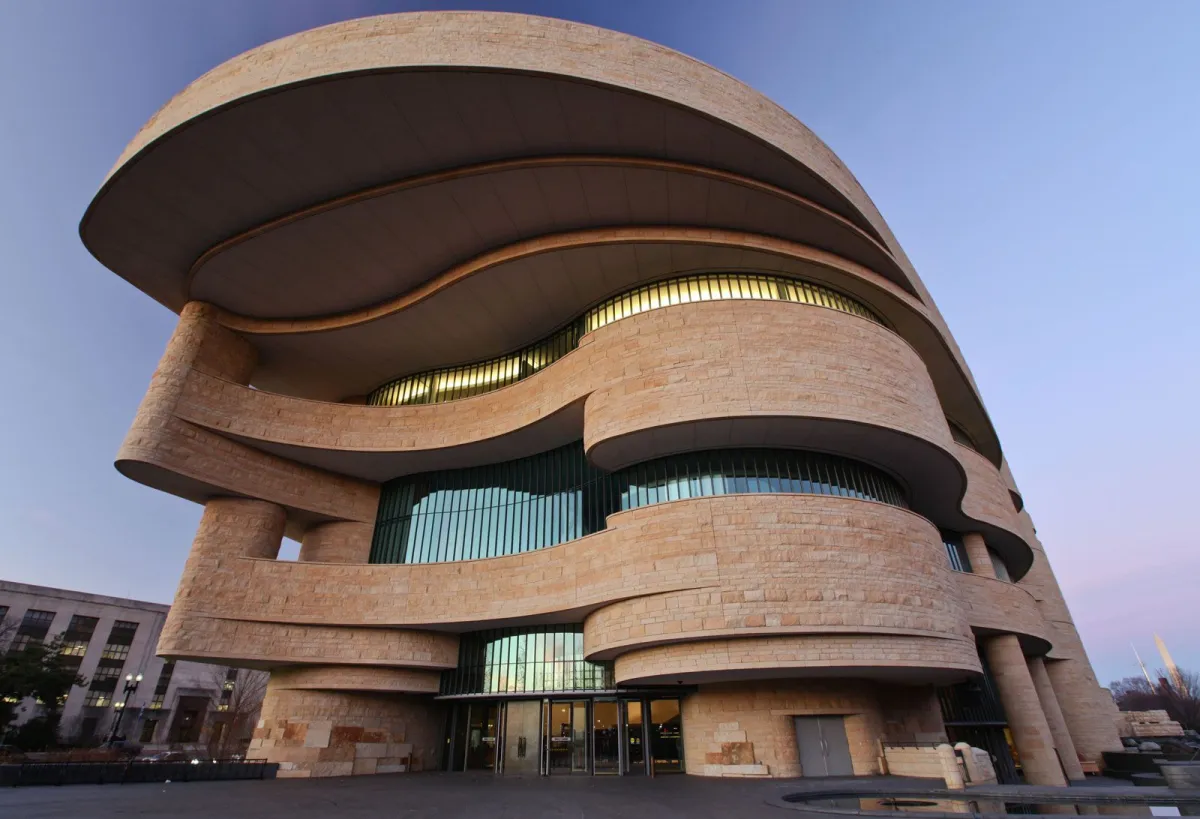 Photo: Smithsonian Institution, via cdn.britannica.com
The Garden That Keeps on Giving
Today, at 78, Harold Winters continues to live in the house where his accidental archaeological career began. His backyard, now a carefully preserved archaeological site managed by the Maryland Historical Society, receives hundreds of visitors each year. The vegetable garden he originally planned has been relocated to the front yard, where his tomatoes and peppers grow in soil that hasn't been disturbed for centuries.
"People ask me if I'm disappointed that I never got my garden," Winters said with a laugh. "But I did get my garden — it just happened to grow history instead of vegetables."
The Winters discovery stands as proof that important history doesn't always reveal itself to professional archaeologists with advanced degrees and sophisticated equipment. Sometimes it takes a curious retiree with a shovel and the persistence to keep digging when everyone else has given up. In a world where we assume all the great discoveries have already been made, Harold Winters proved that the most significant finds might be waiting in the most ordinary places — like the backyard where someone just wanted to grow tomatoes.