The Ghost Beacon: How a Dead Lighthouse Kept Guiding Ships for 27 Years After the Government Forgot It Existed
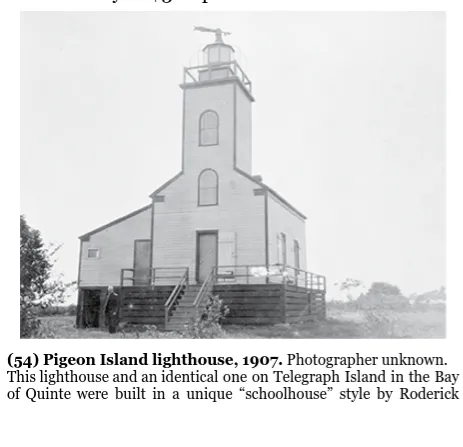
Photo: Unknown authorUnknown author, Public domain, via Wikimedia Commons
There's something deeply unsettling about a lighthouse that shouldn't be on.
For sailors navigating the southern shore of Lake Erie on dark nights between the late 1950s and the early 1980s, a particular stretch of coastline offered exactly that sensation. A rhythmic flash, steady and reliable, pulsing from a structure that every official document insisted was dark. No keeper. No power. No reason to be blinking at all.
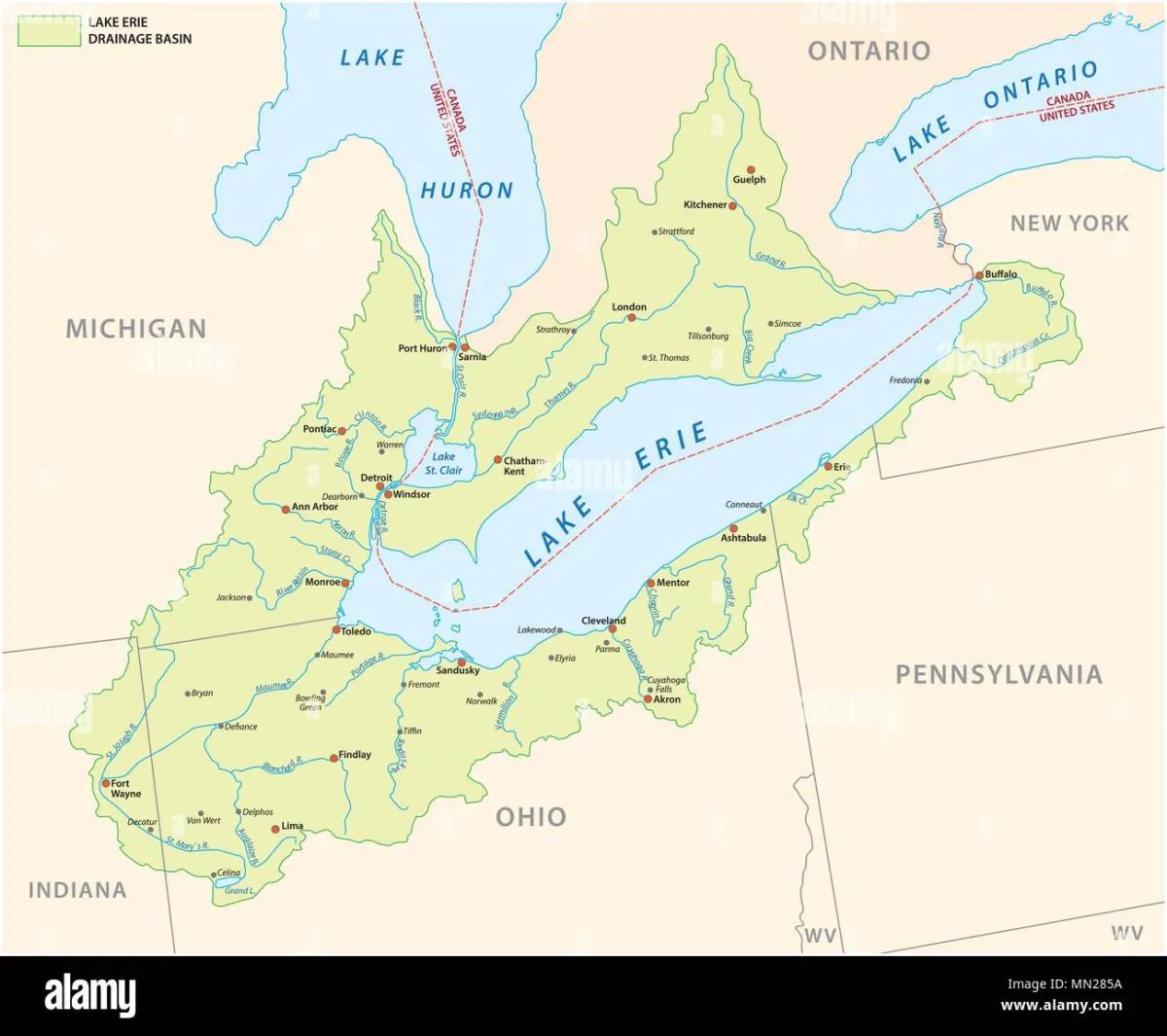 Photo: Lake Erie, via c8.alamy.com
And yet, there it was.
A Light That Was Officially Dead
The lighthouse in question — a modest cast-iron tower built in the late 1800s to mark a shallow reef system near the Ohio shoreline — had served its purpose faithfully for decades. By the mid-1950s, improved navigation technology, updated shipping lanes, and the cost of maintaining aging infrastructure led the U.S. Coast Guard to decommission dozens of smaller Great Lakes beacons. This one made the list in 1957.
The official decommissioning process involved transferring paperwork, updating navigation charts to mark the light as inactive, and dispatching a maintenance crew to secure the structure. What the crew was not specifically tasked with — and this is the detail that would quietly haunt the next three decades — was physically disconnecting the tower's backup power cell.
In the 1940s and 1950s, many coastal and Great Lakes lighthouses were fitted with sealed battery backup systems designed to keep the beacon running during grid outages or periods between keeper rotations. These cells were engineered for longevity. Some were rated for sustained low-draw operation lasting years, even decades, under the right conditions.
When the crew secured the Reef Point tower in the fall of 1957, they locked the door, removed the logbook, and filed their completion report. The backup cell, tucked inside a sealed housing below the lamp mechanism, kept right on doing what it was built to do.
 Photo: Reef Point tower, via www.fv-realestate.com
Sailors, Charts, and a Very Inconvenient Ghost
The first confirmed report of the anomalous light came in the spring of 1958 — barely six months after decommissioning. A commercial freighter captain logged a sighting of what he described as a "regular flashing white signal" at the coordinates of the old Reef Point tower and noted confusion because the updated chart in his wheelhouse listed the position as dark.
He reported it to the Coast Guard station at Lorain. The station checked their records, confirmed the tower was decommissioned, and filed the report under "unexplained light sighting" — a category that existed, apparently, for exactly this kind of thing.
Over the following years, similar reports trickled in. Most sailors who noticed the light assumed the charts were simply wrong — a not-unreasonable assumption in an era when chart corrections moved slowly through official channels. A few adjusted their navigation accordingly, treating the ghost beacon as a functional marker. At least two minor incidents in the 1960s were later attributed to ships relying on the decommissioned light as a reference point, only to find that the reef it once warned against had not been re-marked by any active buoy in the interim.
Ashore, the story took on a different character entirely. Local fishing communities along that stretch of Ohio coastline had their own explanation: the light was the ghost of a keeper who'd died at his post during a winter storm in the 1890s, still faithfully tending his lamp long after death. The story made the rounds in lakeside bars and bait shops with the comfortable persistence of a tale that nobody really believed but everyone enjoyed repeating.
The light even showed up in a 1971 regional folklore collection, catalogued alongside other Great Lakes ghost stories with the author noting, somewhat dryly, that "the Reef Point light has been reported by dozens of reliable witnesses and remains unexplained by maritime authorities."
Maritime authorities, for their part, had stopped actively looking.
The Maintenance Crew That Solved Everything by Accident
The mystery ended not with a dramatic investigation but with a routine structural inspection in 1984.
The Coast Guard periodically surveyed decommissioned structures to assess deterioration and determine whether demolition or preservation was warranted. A two-person inspection team dispatched to Reef Point that spring climbed the tower expecting to find nothing more than rust, bird nests, and peeling paint.
Instead, they found a lamp that was still cycling.
The backup power cell — by this point running at a fraction of its original output, producing a noticeably dimmer flash than in its prime — was still drawing just enough charge to trigger the automated rotation mechanism. The inspectors, to their credit, documented everything carefully before disconnecting the unit. The cell was sent to a Coast Guard engineering office for analysis, where technicians reportedly expressed genuine surprise that it had sustained any function at all after 27 years.
The navigation charts were formally updated. The ghost light reports stopped.
The Infrastructure We Forget We Left Behind
The Reef Point lighthouse story is funny, in the way that bureaucratic failures often are when nobody gets seriously hurt. A forgotten battery. A missed checkbox on a decommissioning form. Twenty-seven years of ghost sightings, confused sailors, and a local legend that outlived its own explanation.
But it points toward something worth sitting with.
Infrastructure doesn't always stop when we tell it to. Systems built to run autonomously — power cells, automated signals, backup mechanisms of every kind — can keep doing their jobs long after the humans who built them have moved on, retired, or simply forgotten they were ever there. The Reef Point light wasn't malfunctioning. It was functioning perfectly. It had just been abandoned mid-function.
Somewhere right now, in the gap between an official record and a physical reality, something is still running that was supposed to stop decades ago.
We probably won't find it until someone stumbles on it by accident.