The Lighthouse Keeper Who Outpredicted the Weathermen: How One Man's Private Obsession Quietly Reshaped American Forecasting
Photo: Tony Alter from Newport News, USA, CC BY 2.0, via Wikimedia Commons
A Man Alone With the Weather
In the late nineteenth century, working a lighthouse on the Great Lakes was one of the lonelier jobs in America. The hours were long, the winters were brutal, and the nearest neighbor might be miles away across open water. Most keepers found ways to fill the quiet — some carved wood, some read, some wrote long letters they rarely had a chance to send.
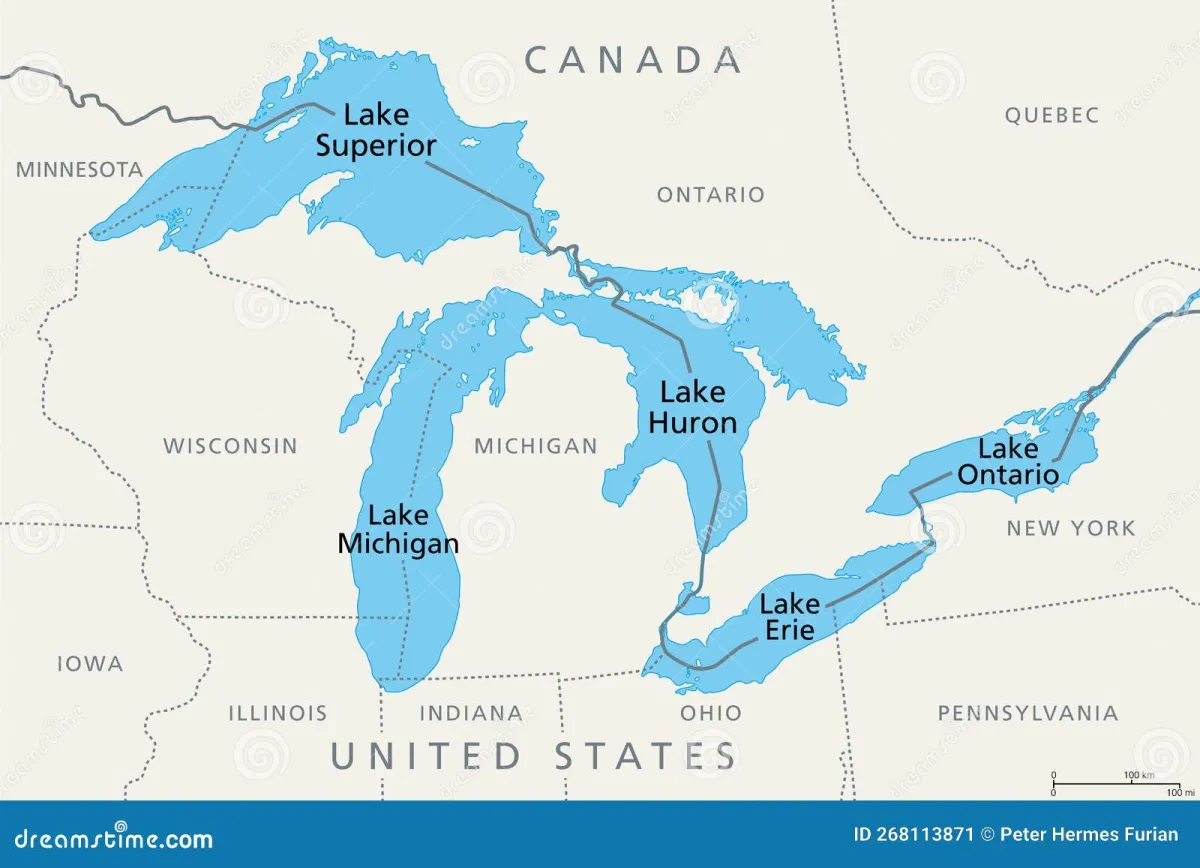 Photo: Great Lakes, via thumbs.dreamstime.com
One keeper, stationed at a remote Lake Superior post sometime in the 1870s, started writing down the weather.
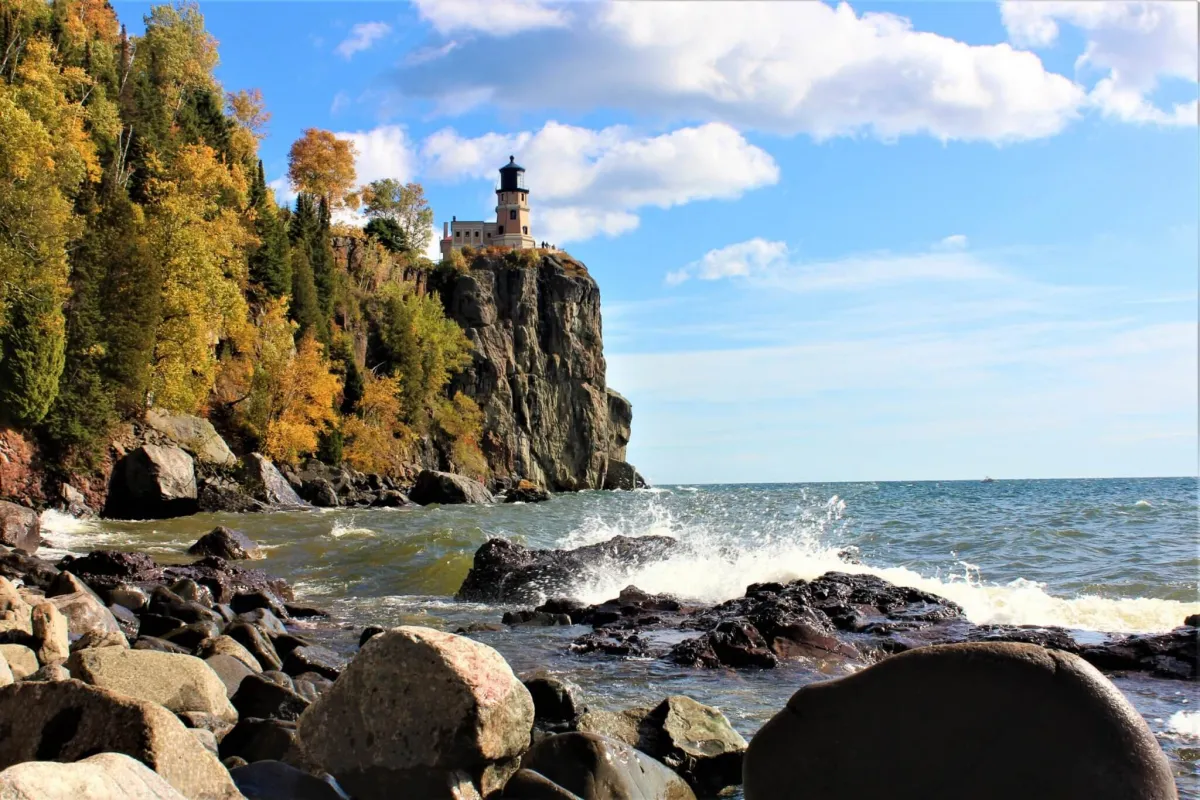 Photo: Lake Superior, via lakesuperiorcircletour.info
Not in any official capacity. There was no government program asking him to do it, no supervisor checking his notes, no salary attached to the task. He just started keeping a daily log of what the sky was doing — wind direction, temperature, barometric pressure, the color of the horizon at dawn, the behavior of the birds — and then he kept doing it, day after day, for the better part of two decades.
By the time he died, he had filled somewhere between thirty and forty handwritten notebooks with observations that nobody had ever read.
What the Notebooks Said
The notebooks sat untouched for years, passed through a small chain of family members who recognized them as something their relative had cared about deeply without quite understanding what they contained. They were eventually donated to a regional historical archive sometime in the early twentieth century, catalogued vaguely as "personal papers" and shelved alongside land deeds and church records.
They might have stayed there indefinitely if a junior researcher hadn't pulled them while working on an unrelated project about Great Lakes shipping history in the 1950s. What she found inside stopped her cold.
The keeper hadn't just been logging the weather. He had been building a model.
Over years of careful observation, he had identified patterns in how Lake Superior storms developed — specific sequences of barometric change, wind shift, and temperature drop that reliably preceded the most dangerous weather systems. He had noted which combinations of conditions produced which outcomes. He had tested his predictions against what actually happened and refined his thinking accordingly. Without any formal training in meteorology, without access to telegraph networks or federal weather data, he had essentially reverse-engineered a regional storm forecasting system from scratch.
And his accuracy rate, cross-referenced against historical storm records, was striking.
The Part That Made Meteorologists Uncomfortable
When the notebooks eventually made their way to researchers with actual meteorological training, the reaction was something between admiration and mild institutional embarrassment. The National Weather Service's regional forecasting for the Great Lakes in the late 1800s had been notoriously inconsistent. The storms that killed sailors and sank freighters had a frustrating habit of arriving without adequate warning. The federal agency had resources, trained staff, and telegraph infrastructure — and they were still regularly caught flat-footed by Lake Superior's worst moods.
 Photo: National Weather Service, via wxguys.ssec.wisc.edu
The lighthouse keeper had none of those advantages. He had a barometer, a thermometer, a compass, and an extraordinary amount of time to pay attention. And his model — the pattern-recognition logic he had worked out alone in a lighthouse over two decades — captured something about how Great Lakes storm systems behave that the official forecasting methodology of the era had missed entirely.
The core insight had to do with the way barometric pressure changes interacted with specific wind shift sequences over the open lake, a dynamic that played out differently than the continental weather models of the time predicted. He had noticed it because he watched the same patch of sky every day for twenty years. The federal meteorologists hadn't noticed it because their job required them to look at everything at once.
A Legacy With No Name On It
The part of this story that tends to land hardest is what happened next — or more precisely, what didn't happen.
The keeper's observational logic was genuinely incorporated into updated regional forecasting guidelines for the Great Lakes in the decades after his notebooks were studied. The specific patterns he identified became part of how meteorologists in the region understood the warning signs of severe lake storms. His work influenced the training of forecasters who never knew his name.
And his name never appeared in any official record connected to those updates. There was no acknowledgment in the revised guidelines, no historical footnote in the agency's publications, no plaque at the lighthouse. The institutional incentive to credit an untrained amateur with outpacing professional forecasters was, predictably, not very strong.
He remains almost entirely anonymous. Regional historians know roughly who he was. The archive has his notebooks. But ask anyone at the National Weather Service today about the lighthouse keeper who rewrote Great Lakes storm prediction, and you'll get a polite blank stare.
The Strangeness of Invisible Genius
There's something genuinely strange about a man spending twenty years solving a problem that nobody had asked him to solve, writing down the answer in notebooks that nobody read, and then having those answers quietly absorbed into the system that outlived him — with his contribution effectively erased in the process.
It raises an uncomfortable question about how expertise actually works. The keeper had no credentials, no institutional backing, and no way to publish his findings. What he had was time, curiosity, and the kind of focused attention that comes from watching the same horizon every single day for two decades.
Sometimes that turns out to be enough. Sometimes it turns out to be more than enough. And sometimes the system that benefits from your work just moves on without ever quite getting around to saying your name.